Shopping malls are among the highest electricity-consuming commercial buildings in Pakistan. From lighting and air conditioning to elevators, escalators, security systems, food courts, retail outlets, parking areas, and digital displays, malls require a large amount of power throughout the day.
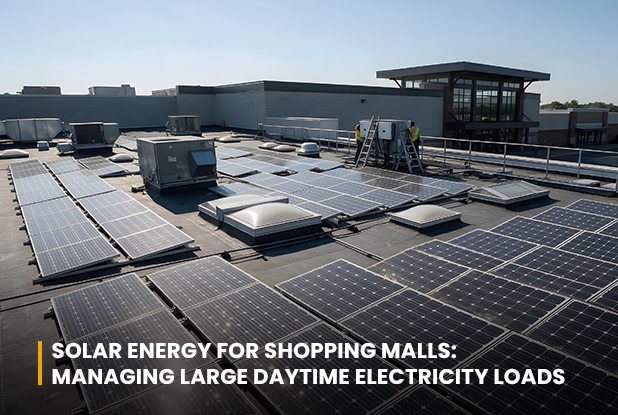
Since shopping malls usually operate during peak daylight hours, solar energy can be an excellent solution for reducing electricity costs. A properly designed commercial solar system can help malls use solar power during the same hours when energy demand is highest.
For commercial buildings looking to reduce operating costs and improve energy efficiency, Beacon Energy provides smart solar and energy storage solutions across Pakistan.
2. Why Shopping Malls Have High Daytime Electricity Loads
Shopping malls consume heavy electricity because multiple systems operate at the same time. Air conditioning systems run for long hours to maintain indoor comfort. Lighting is required across retail floors, corridors, parking areas, food courts, and common spaces. Elevators and escalators operate continuously during business hours.
Retail tenants also use electricity for display lighting, billing systems, refrigeration, signage, and customer service areas. Food courts and restaurants add further energy demand through kitchen equipment, cooling, ventilation, and refrigeration.
Because most of this energy is used during the day, solar energy can directly support mall operations and reduce grid consumption.
Businesses can explore Beacon Energy’s Industrial & Commercial Solar Solutions for commercial solar systems designed for high-load buildings such as shopping malls, offices, warehouses, hospitals, and retail spaces.
3. How Solar Helps Shopping Malls Reduce Electricity Costs
Solar panels generate electricity during daylight hours, which makes them highly suitable for shopping malls. When the solar system produces power, the mall can use that energy immediately for air conditioning, lighting, elevators, escalators, security systems, and tenant loads.
This reduces the number of units purchased from the grid and helps lower monthly electricity bills. Over time, these savings can improve the mall’s operating budget and make energy expenses more predictable.
Solar energy also helps mall owners reduce exposure to rising electricity tariffs. Instead of depending completely on grid electricity, shopping malls can generate a portion of their own clean power on-site.
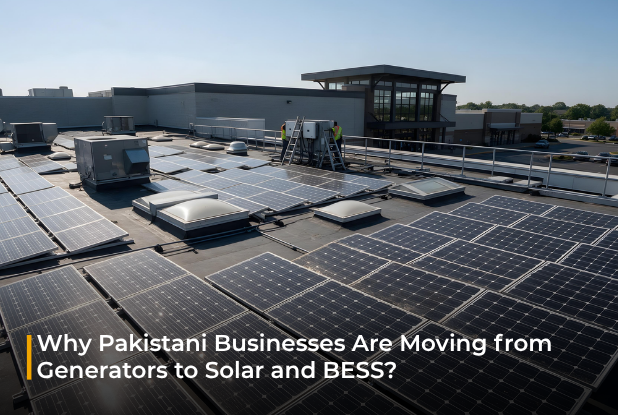
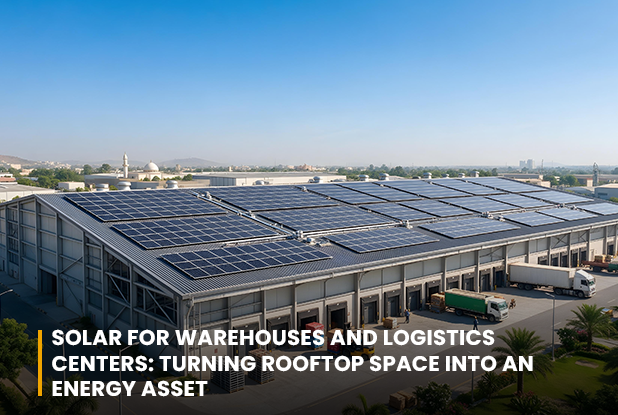
For malls with large rooftops, parking areas, or open spaces, solar installation can turn unused space into a productive energy asset.
4. Role of BESS in Shopping Mall Energy Management
While solar energy reduces daytime electricity costs, Battery Energy Storage Systems, also known as BESS, can provide additional value for shopping malls.
BESS stores electricity and supplies it when needed. For malls, stored energy can be used during power outages, peak demand periods, or evening operating hours when solar generation is lower.
A solar-plus-BESS system can help shopping malls:
- Improve backup power
- Reduce generator dependency
- Support critical loads
- Manage peak-hour electricity usage
- Increase solar self-consumption
- Improve power stability
Critical mall loads may include emergency lighting, CCTV, fire safety systems, payment systems, elevators, selected air conditioning loads, internet systems, and security controls.
Shopping mall owners can explore Beacon Energy’s BESS solutions to understand how battery storage can improve backup power, energy reliability, and commercial energy management.
5. Key Benefits of Solar for Shopping Malls
Solar energy provides multiple benefits for shopping malls in Pakistan.
The first major benefit is reduced electricity cost. Since malls consume large amounts of power during the day, solar can directly offset grid electricity usage.
The second benefit is better energy control. Solar gives mall owners more predictability over energy expenses and reduces dependence on changing tariff rates.
The third benefit is improved sustainability. Shopping malls that use renewable energy can reduce their carbon footprint and promote a cleaner business image to tenants, visitors, and investors.
The fourth benefit is better use of available space. Large rooftops, parking shades, and open areas can be used for solar panel installation.
The fifth benefit is stronger energy resilience when solar is combined with BESS. Battery storage can help malls maintain essential operations during outages and reduce reliance on diesel generators.
Mall owners can also review Beacon Energy Projects to explore commercial and industrial solar installations across Pakistan.
6. Beacon Energy for Shopping Mall Solar Solutions
Shopping malls need more than a basic solar setup. They need a customized commercial energy system that considers electricity consumption, daytime load, rooftop space, tenant usage, backup needs, and long-term savings goals.
Beacon Energy helps commercial building owners plan solar systems designed for performance, reliability, and cost savings. For shopping malls, Beacon Energy can support solar system design, commercial installation, BESS integration, monitoring, and energy optimization.
Mall owners and developers can explore Industrial & Commercial Solar Solutions, learn more about BESS solutions, or contact Beacon Energy for project consultation.
With the right solar and energy storage system, shopping malls in Pakistan can reduce electricity costs, improve power reliability, and move toward a smarter and more sustainable energy future.