Pakistan's cement industry plays an essential role in the country's infrastructure development, construction activities, and industrial growth. From large manufacturing plants to cement grinding and packaging facilities, the industry depends on substantial energy resources to maintain continuous production.
Cement manufacturing involves energy-intensive processes such as limestone crushing, raw material grinding, clinker production, cement milling, material handling, and packaging. These operations require reliable electricity, powerful machinery, and significant thermal energy.
With electricity expenses, energy supply reliability, and sustainability becoming important business considerations, cement manufacturers are exploring alternative energy sources to improve operational efficiency.
Solar energy is emerging as a practical option for reducing grid electricity consumption and strengthening long-term energy planning. By integrating industrial solar systems with existing power infrastructure, cement manufacturers can reduce electricity expenses, improve energy flexibility, and support cleaner production practices.
For industrial businesses seeking advanced renewable energy systems, Beacon Energy offers commercial and industrial solar solutions designed around the energy requirements of manufacturing facilities.
2. Understanding Energy Consumption in Cement Manufacturing
Cement manufacturing is among the most energy-intensive industrial activities. Production involves multiple stages that require electricity and thermal energy, making energy management a major factor in operational performance.
Heavy machinery such as crushers, grinding mills, conveyors, separators, compressors, ventilation fans, and packaging equipment consumes substantial electricity throughout the manufacturing process.
At the same time, cement kilns require extremely high temperatures to transform raw materials into clinker. This process primarily depends on thermal energy, which is traditionally supplied through fuels such as coal and other industrial energy sources.
Solar photovoltaic systems primarily address the electrical portion of cement production rather than directly replacing the high-temperature thermal energy required for clinker manufacturing.
However, electricity represents an important part of cement plant operations. By integrating solar generation with existing electrical infrastructure, cement manufacturers can reduce grid electricity requirements for suitable production and auxiliary loads.
This makes industrial solar an important component of a broader energy-efficiency strategy.
Businesses exploring renewable energy opportunities can review Beacon Energy's Industrial & Commercial Solar Solutions to understand how solar systems can be designed for demanding manufacturing environments.
3. How Industrial Solar Helps Cement Plants Reduce Energy Costs
Industrial solar systems generate electricity from sunlight and allow manufacturing facilities to use that energy directly during operating hours.
For cement plants, solar electricity can support suitable electrical loads associated with grinding, material transportation, ventilation, compressors, administration, lighting, and packaging equipment.
This reduces the amount of electricity purchased from the grid and can improve long-term operating cost predictability.
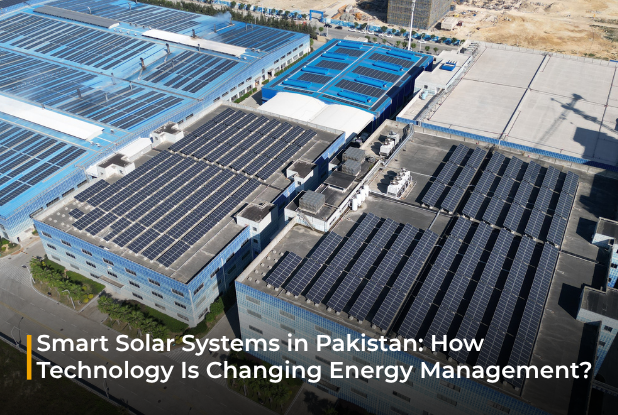
One of the advantages of cement manufacturing facilities is their potential access to large rooftops, open land, and industrial spaces. Depending on site conditions, these areas may be suitable for ground-mounted or rooftop solar installations.
However, installing solar at a cement plant requires careful technical planning. Dust accumulation, structural conditions, electrical integration, shading, and maintenance access must be considered to ensure reliable performance.
Cement facilities can experience significant airborne dust, which may settle on solar panels and reduce electricity generation. Proper installation design, cleaning arrangements, and performance monitoring are therefore essential.
A professionally designed solar system can help minimize these effects and support consistent electricity production.
When evaluating the best solar companies in Pakistan, cement manufacturers should prioritize providers with experience in industrial engineering, electrical system integration, equipment selection, and long-term performance management.
Beacon Energy's industrial solar solutions are designed to support commercial and manufacturing businesses through customized renewable energy systems.
Cement manufacturers can also explore Beacon Energy's selected projects to review its experience with large commercial and industrial solar installations.
4. Role of BESS in Cement Industry Energy Management
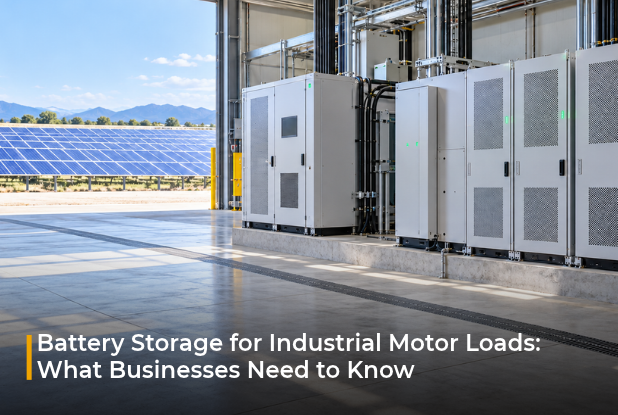
Battery Energy Storage Systems, commonly known as BESS, can complement industrial solar installations by storing electricity and making it available when required.
Cement plants may operate machinery across extended production schedules, including periods when solar generation is unavailable. Battery storage can help manage selected electricity requirements beyond daylight hours.
BESS can also support peak-load management. Cement manufacturing equipment can create substantial electrical demand, particularly when multiple motors and processing systems operate simultaneously.
With appropriate system sizing and electrical controls, battery storage can help reduce sustained peak grid demand and improve energy flexibility.
Backup power is another important application. Unexpected outages can interrupt production processes, material handling, and equipment operation. A properly engineered BESS can support designated critical loads and help maintain essential electrical systems during grid interruptions.
However, operating large industrial motors requires careful assessment of starting currents, inverter ratings, and battery discharge capabilities. Not every battery system can support every cement plant load.
BESS can also work alongside existing generators or captive power systems, helping manufacturers develop a coordinated approach to backup and energy management.
Beacon Energy's Battery Energy Storage Systems offer capabilities for commercial and industrial applications, including renewable energy integration, real-time control, power management, and generator support.
For cement manufacturers, combining solar with appropriately designed battery storage can create a more flexible and resilient electricity supply strategy.
5. Long-Term Benefits of Solar Energy for Cement Manufacturers
Adopting industrial solar energy offers benefits that extend beyond reducing electricity bills.
One important advantage is improved energy cost management. Cement manufacturers operate in a competitive market where production expenses influence pricing and profitability. Generating electricity on-site can help reduce exposure to grid electricity costs.
Another benefit is greater energy diversification. Instead of depending entirely on conventional electricity sources, manufacturers can incorporate solar generation into their existing energy infrastructure.
Solar energy can also support corporate sustainability objectives. Cement manufacturing is associated with substantial carbon emissions, including emissions from fuel combustion and the chemical processes involved in clinker production.
Although solar photovoltaic systems cannot eliminate process emissions or directly replace kiln fuel, they can reduce emissions associated with purchased electricity, depending on the energy source being displaced.
This makes solar an important part of broader industrial decarbonization strategies that may also include energy-efficient equipment, waste heat recovery, alternative fuels, and process improvements.
Smart monitoring provides another advantage. By tracking solar generation, equipment performance, and electricity consumption, cement manufacturers can identify inefficiencies and improve energy planning.
Routine maintenance is particularly important in cement manufacturing environments because dust, heat, and industrial operating conditions can affect solar system performance.
Beacon Energy's support services include system monitoring and technical assistance intended to help customers maintain reliable renewable energy performance.
Businesses can also explore Beacon Energy's renewable energy insights for more information about industrial solar, energy storage, and commercial energy management.
6. Beacon Energy: Industrial Solar and BESS Solutions for Pakistan's Cement Sector
Cement manufacturing facilities require energy systems that can support demanding industrial environments, heavy electrical loads, and long operating schedules.
Selecting the right renewable energy partner involves evaluating technical expertise, equipment quality, project experience, installation standards, maintenance capabilities, and integration with existing electrical infrastructure.
For businesses searching for the best solar company in Pakistan, these factors are particularly important when planning industrial-scale installations.
Beacon Energy provides renewable energy solutions for commercial and industrial customers, helping businesses improve electricity cost management and work toward more sustainable operations.
Through its Industrial & Commercial Solar Solutions, Beacon Energy offers customized approaches to industrial solar generation, system design, and energy optimization.
Its BESS solutions provide additional options for energy storage, power reliability, renewable energy integration, and backup management.
Manufacturers can also explore Beacon Energy's project portfolio, which includes solar installations across textiles, beverage production, food processing, manufacturing, and other industrial sectors.
For cement manufacturers, a successful solar investment begins with understanding the facility's electricity consumption, available installation space, electrical infrastructure, operating conditions, and long-term energy objectives.
By combining suitable solar generation with intelligent monitoring and optional battery storage, cement plants can strengthen electricity cost control, improve energy flexibility, and support more sustainable manufacturing practices.
As the cement industry continues to modernize, renewable energy will remain an important part of improving efficiency and building more resilient industrial operations.
Looking for reliable industrial solar and battery storage solutions? Explore Beacon Energy's industrial solar services, discover its BESS technology, or contact Beacon Energy to discuss an energy system tailored to your manufacturing facility.