Pakistan’s manufacturing sector is one of the most important drivers of the national economy. From textile mills and food processing units to steel, plastics, packaging, beverages, cold storage, pharmaceuticals, and general manufacturing, industries depend on reliable and affordable electricity to keep production running.
However, energy has become one of the biggest concerns for manufacturers in Pakistan. Rising electricity tariffs, power outages, grid instability, voltage fluctuations, generator fuel costs, and sustainability pressure are all affecting industrial performance.
For manufacturers, electricity is not just a utility bill. It directly impacts production cost, product pricing, delivery timelines, machine performance, and profitability.
This is why businesses are now shifting toward smarter energy systems such as industrial solar, Battery Energy Storage Systems, hybrid systems, and real-time energy monitoring. Beacon Energy provides smart renewable energy solutions designed for industries, businesses, and homes across Pakistan.
Why Energy Is a Major Concern for Manufacturers in Pakistan
Manufacturing facilities consume large amounts of electricity every day. Heavy machinery, motors, compressors, pumps, cooling systems, lighting, boilers, production lines, packaging units, and automation systems all require continuous power.
When electricity costs rise, manufacturers face higher production expenses. This makes it harder to maintain competitive pricing, especially for export-oriented industries. At the same time, power interruptions can stop production lines, delay orders, damage raw materials, and increase operational losses.
Across Pakistan, businesses face growing energy concerns that disrupt operations and increase costs. Beacon Energy’s Industrial & Commercial solutions are designed to help businesses manage these issues with high-efficiency solar systems, storage integration, and energy-focused planning.
Rising Electricity Costs
One of the biggest energy issues for Pakistan’s manufacturing sector is the rising cost of grid electricity. Industrial consumers often have high monthly bills because their operations require heavy daytime and night-time power usage.
For manufacturers, rising energy tariffs increase the cost per unit produced. This affects profit margins and creates pricing pressure in both local and international markets.
Industrial solar energy helps manufacturers generate their own electricity during the day. Since many factories operate during daylight hours, solar power can directly support production loads and reduce dependence on grid electricity.
By investing in a properly designed solar system, manufacturers can reduce monthly electricity bills, improve cost predictability, and protect themselves from future tariff increases.
For businesses planning solar adoption, Beacon Energy’s industrial solar solutions provide customized systems for manufacturing plants, textile mills, warehouses, cold storage units, retail businesses, and other commercial facilities.
Power Outages and Production Downtime
Power outages can create serious financial losses for manufacturers. When machines stop unexpectedly, production schedules are disturbed, labor hours are wasted, and delivery timelines may be affected.
In industries such as textiles, food processing, pharmaceuticals, cold storage, and packaging, downtime can also damage product quality or lead to inventory losses.
A Battery Energy Storage System, also known as BESS, stores electricity and supplies it when needed. For manufacturers, BESS can provide backup power during outages and help maintain critical operations.
Beacon Energy’s BESS solutions are tailored for commercial and industrial needs. These systems integrate with existing infrastructure to provide uninterrupted power supply, optimize energy costs, and support sustainable operations.
BESS is especially useful for manufacturers that cannot afford sudden power interruptions. It can support selected critical loads, stabilize operations, and reduce downtime.
Grid Instability and Voltage Fluctuations
Manufacturing equipment requires stable electricity. Voltage fluctuations, sudden power drops, and grid disturbances can affect machine performance, reduce efficiency, and increase maintenance costs.
Sensitive equipment such as automation systems, compressors, processing machines, IT systems, and control panels can be affected by poor power quality.
BESS helps improve energy stability by responding quickly to power changes and supporting important loads when the grid becomes unstable.
For industrial users, Beacon Energy’s BESS systems include features such as real-time control, black start capability, solar and wind integration, power factor improvement, genset support, and contingency management.
These features help manufacturers improve power reliability and reduce the impact of unstable grid conditions.
High Generator Fuel and Maintenance Costs
Many manufacturers rely on diesel generators during outages. While generators provide backup power, they also bring additional expenses. Fuel prices, servicing, spare parts, maintenance, noise, and emissions all increase the total cost of operations.
For businesses running long production shifts, generator dependency can become expensive and inefficient.
Solar plus BESS gives manufacturers a cleaner and more cost-effective backup strategy. Solar power can run operations during the day, while battery storage can supply stored energy during outages, peak hours, or evening operations.
BESS can also work with generators to reduce fuel usage and improve backup efficiency. This helps manufacturers lower operating costs while improving energy reliability.
To explore storage-enabled energy solutions, manufacturers can review Beacon Energy’s BESS page or contact the team through the Beacon Energy contact page.
Peak Demand and Expensive Energy Usage
Manufacturing facilities often experience peak demand when multiple machines, compressors, motors, and production systems operate at the same time. This can increase electricity costs and create pressure on the facility’s electrical infrastructure.
High peak demand may also lead to inefficient energy usage and higher operational expenses.
Smart solar and storage systems help manufacturers manage energy usage more effectively. BESS can store electricity and discharge it during high-demand periods, helping reduce peak grid consumption.
Beacon Energy’s Battery Energy Storage System is designed to maximize renewable energy utilization, enhance power reliability, and reduce reliance on the grid.
With proper energy planning, manufacturers can reduce peak-hour dependency and improve overall energy efficiency.
Underutilized Rooftop Space
Many manufacturing facilities have large rooftops, open spaces, warehouses, and factory sheds. However, this space often remains unused.
At the same time, manufacturers continue to pay high electricity bills every month.
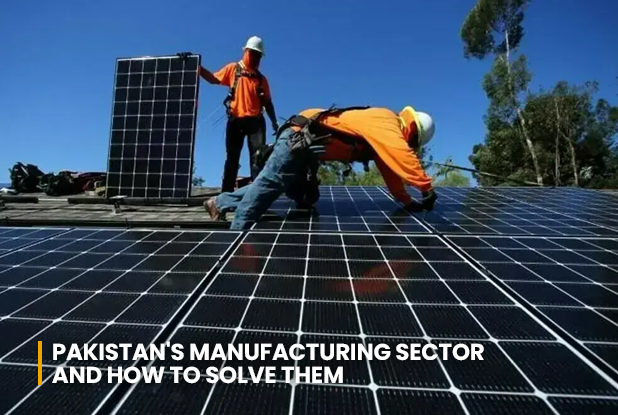
Industrial rooftops can be used to install solar panels and generate clean electricity. This turns unused space into a productive energy asset.
Beacon Energy designs solar solutions for different industrial applications, including manufacturing, warehousing, textile, cold storage, beverages, and retail businesses.
Businesses can also view Beacon Energy’s selected projects, including commercial and industrial solar installations across Pakistan.
Sustainability and Export Compliance Pressure
Manufacturers are under growing pressure to operate more sustainably. Export-focused industries often work with international buyers who expect cleaner production, lower carbon emissions, and responsible energy practices.
Businesses that continue relying heavily on grid electricity and diesel generators may face difficulties meeting sustainability expectations in the future.
Solar energy and BESS help manufacturers reduce their carbon footprint and move toward cleaner production.
Beacon Energy’s mission is to empower communities and industries with innovative renewable energy solutions that support sustainable growth and reduce environmental impact. You can learn more about the company’s mission and journey on the About Beacon Energy page.
By adopting solar and battery storage, manufacturers can improve sustainability performance and strengthen their position with customers, buyers, and partners.
Lack of Energy Visibility and Monitoring
Many manufacturers do not have a clear view of their energy usage patterns. Without proper monitoring, it becomes difficult to identify peak consumption, wastage, system inefficiencies, and improvement opportunities.
This lack of visibility can lead to unnecessary electricity costs.
Modern solar and BESS systems include monitoring tools that allow businesses to track solar generation, battery performance, energy consumption, and system efficiency.
Beacon Energy’s support and NOC services help keep systems in check, while monitoring-based energy management allows businesses to make better operational decisions.
Manufacturers can also explore Beacon Energy’s clean energy insights through the Beacon Energy blogs for more guidance on solar, BESS, and industrial energy management.
How Beacon Energy Supports Pakistan’s Manufacturing Sector
Beacon Energy supports manufacturing facilities with high-capacity solar solutions designed for heavy machinery and continuous operations. Its systems help manufacturers control energy costs, improve operational efficiency, and maintain consistent power availability across production cycles.
The company’s Industrial & Commercial solutions are suitable for manufacturing, textiles, beverages, cold storage, warehousing, and retail applications. Its BESS solutions provide backup power, power stability, real-time control, and renewable energy optimization.
Manufacturers can also review Beacon Energy projects to see examples of commercial and industrial installations, including large-scale projects for textile mills, beverages, hospitals, feed mills, and manufacturing facilities.
For project consultation, businesses can directly contact Beacon Energy.