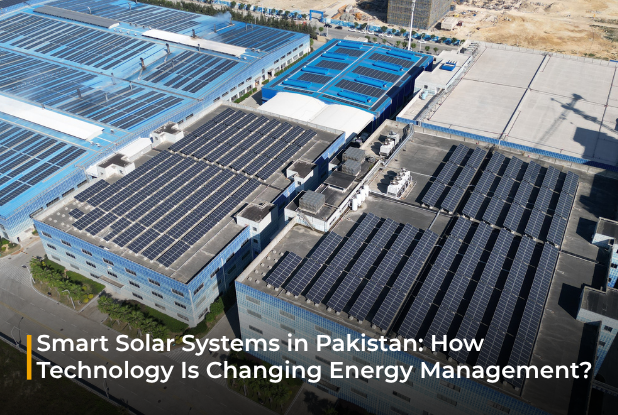
Solar energy in Pakistan is moving beyond traditional electricity generation. Businesses, industries, and commercial buildings are increasingly looking for advanced solar systems that not only generate electricity but also monitor consumption, optimize performance, and improve overall energy efficiency.
With electricity costs affecting operating budgets and grid reliability remaining an important concern, businesses need greater control over how energy is generated, stored, and consumed. This is where smart solar technology is changing the way organizations manage power.
Smart solar systems combine renewable energy generation with intelligent inverters, real-time monitoring, automation, and battery energy storage. These technologies allow users to understand their electricity consumption, identify inefficiencies, and make informed decisions about energy usage.
For businesses exploring modern renewable energy technology, Beacon Energy offers integrated solar, hybrid energy, and battery storage solutions designed to improve energy performance across Pakistan.
2. What Makes a Solar System Smart?
A traditional solar system primarily converts sunlight into electricity. A smart solar system goes further by incorporating digital monitoring, automated controls, and intelligent energy management technologies.
These systems provide information about solar generation, electricity consumption, inverter performance, grid interaction, and battery storage. Instead of relying only on electricity bills to understand energy usage, businesses can monitor system activity and identify opportunities for improvement.
Smart solar technology may also include automated energy distribution, remote system diagnostics, load management, and performance alerts. These features allow businesses to respond more effectively to changing energy requirements.
For factories, offices, hospitals, educational institutions, warehouses, and shopping malls, this visibility can support better operational planning and more efficient electricity consumption.
Modern industrial and commercial solar solutions can be designed around specific business loads, operating hours, and future expansion needs, making intelligent energy management an important part of long-term solar investment.
3. How Smart Solar Monitoring Improves Energy Efficiency
Energy monitoring is one of the most valuable features of a smart solar system. It allows businesses to observe electricity generation and consumption patterns rather than making decisions based on estimates alone.
Through monitoring platforms, facility managers can track solar production, identify unusual performance changes, and understand when the building uses the most electricity.
For example, a manufacturing facility may notice that machinery, ventilation, and cooling systems create high demand during particular operating hours. A commercial building may identify heavy air conditioning consumption during the afternoon, while a warehouse may discover unnecessary electricity usage outside working hours.
This information can help businesses adjust operational schedules, reduce unnecessary consumption, and improve solar self-consumption.
Smart monitoring also supports preventive maintenance. If a solar system experiences reduced output because of shading, dirt accumulation, inverter faults, or equipment problems, performance data can help identify when further inspection is needed.
Beacon Energy offers the BELConnect smart solar monitoring platform, providing visibility into solar production, electricity consumption, exports, and energy performance.
Businesses can also explore Beacon Energy's customer support services for system monitoring, technical assistance, and ongoing energy performance management.
4. The Role of Hybrid Solar Systems and BESS in Smart Energy Management
Smart solar technology becomes even more useful when combined with hybrid inverters and Battery Energy Storage Systems, commonly known as BESS.
A hybrid solar system integrates solar generation with grid electricity and battery storage. During daylight hours, solar panels generate electricity for business operations. When generation exceeds immediate consumption, compatible systems can store surplus energy for later use.
Battery storage allows businesses to use stored electricity during evening operations, peak tariff periods, or grid outages. This improves flexibility and reduces complete dependence on utility electricity.
Modern BESS technology can also include intelligent charging and discharging controls. These features help businesses decide when to store electricity and when to use it according to operational requirements, battery availability, and energy demand.
For factories and commercial buildings, smart battery storage can support critical loads, reduce generator runtime, and improve energy resilience. Actual backup performance depends on system capacity, inverter configuration, and the connected equipment.
Beacon Energy's BESS solutions incorporate energy monitoring, renewable energy integration, backup capabilities, and intelligent power management for commercial and industrial applications.
Businesses interested in integrated solar technology can also explore Beacon Energy's hybrid solar options to understand how solar generation and energy storage can work together.
5. How Intelligent Solar Technology Benefits Pakistani Businesses
Smart solar systems offer advantages beyond generating clean electricity. By combining digital monitoring, energy storage, and intelligent controls, businesses can improve how they manage electricity across daily operations.
One of the most important benefits is better cost management. Businesses can monitor energy consumption, maximize direct solar usage, and reduce unnecessary reliance on grid electricity. When correctly designed, these improvements can contribute to lower operating costs and more predictable energy expenses.
Another benefit is improved operational reliability. Smart solar systems integrated with compatible battery storage can support selected loads during power interruptions. This is particularly valuable for businesses that depend on electricity for refrigeration, manufacturing equipment, IT infrastructure, security, and other essential services.
Remote monitoring also improves convenience. Facility managers can review solar performance without manually inspecting each component, allowing them to identify potential issues and arrange maintenance more efficiently.
Smart solar systems can also support business expansion. As electricity requirements change, properly planned solar infrastructure can be assessed for additional generation capacity, battery storage, or improved energy controls.
Sustainability is another advantage. Businesses adopting renewable energy can reduce dependence on conventional electricity sources and support their environmental objectives.
For organizations evaluating solar investments, Beacon Energy's completed projects provide examples of renewable energy applications across manufacturing, textiles, healthcare, food processing, commercial facilities, and other sectors in Pakistan.
6. Beacon Energy: Bringing Smart Solar Technology to Pakistan
As Pakistan's energy landscape evolves, businesses need more than conventional solar panels. They need integrated systems that provide visibility, efficiency, reliability, and control over electricity consumption.
Beacon Energy supports this transition through solar technologies, intelligent energy storage, monitoring capabilities, and tailored renewable energy systems for commercial and industrial applications.
Through its Industrial & Commercial Solar Solutions, Beacon Energy helps businesses evaluate their electricity requirements and implement solar systems designed for operational needs and long-term performance.
Its Battery Energy Storage Systems provide options for integrating solar power with energy storage, improving backup flexibility, and managing electricity more intelligently.
Beacon Energy also supports system performance through its monitoring and customer support services, helping businesses maintain visibility over their renewable energy investment.
Organizations planning to adopt advanced solar technology can explore Beacon Energy's projects, read more about renewable energy developments through the Beacon Energy blog, or learn about the company's approach to integrated solar systems on its official website.
Smart solar technology is changing energy management in Pakistan by giving businesses greater control over electricity generation, consumption, storage, and system performance. With the right combination of solar panels, intelligent inverters, battery storage, and monitoring tools, organizations can build more efficient and resilient energy systems.
To explore smart solar solutions for your business, visit Beacon Energy or contact the Beacon Energy team to discuss your energy requirements.