Power outages can create serious challenges for small and medium-sized enterprises in Pakistan. Whether it is a retail store, office, clinic, restaurant, workshop, warehouse, school, or small manufacturing unit, electricity is essential for daily operations.
When the power goes out, businesses can lose productivity, customers, sales, inventory, and valuable working hours. For many SMEs, even a short outage can affect billing systems, internet connectivity, refrigeration, lighting, machinery, and customer service.
This is why more businesses are now looking for reliable energy solutions that can help them stay operational during outages. Solar energy, especially when combined with battery storage, is becoming one of the most effective ways for SMEs to build energy resilience.
For businesses looking to reduce power interruptions and improve energy control, Beacon Energy provides smart solar solutions for commercial and SME energy needs.
What Is Solar Resilience?
Solar resilience means using solar energy systems to keep essential business operations running during grid failures, load shedding, or electricity disruptions.
A basic solar system can reduce electricity bills during the day, but a solar system with battery storage can provide backup power when the grid goes down.
For SMEs, solar resilience is about more than saving money. It is about business continuity, customer trust, operational stability, and long-term protection from energy uncertainty.
A resilient solar setup can support important loads such as lights, computers, internet devices, security systems, refrigeration, fans, medical equipment, point-of-sale systems, and selected machinery.
Why SMEs Need Energy Resilience
Small and medium-sized businesses often operate with limited resources. Unlike large companies, many SMEs cannot afford long delays, repeated downtime, or expensive backup fuel costs.
Power outages can affect SMEs in several ways. A restaurant may lose refrigerated stock. A clinic may face disruption in patient services. A shop may be unable to process payments. An office may lose internet and productivity. A workshop may stop production completely.
These interruptions can reduce revenue and damage customer confidence.
By investing in solar resilience, SMEs can protect their operations and reduce the impact of power outages.
How Solar Helps SMEs During Outages
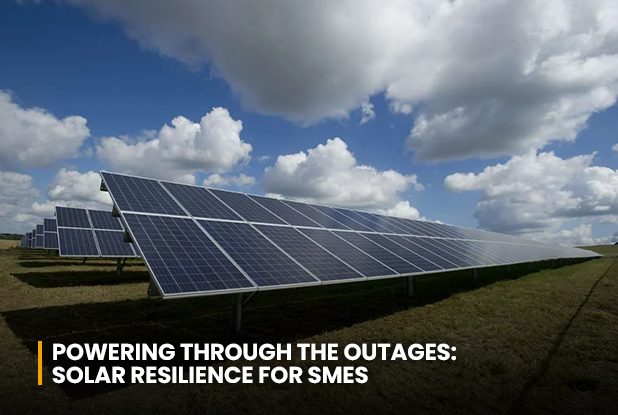
Solar panels generate electricity during the day. When connected with the right system design, solar power can support business operations and reduce dependence on the grid.
For daytime businesses, solar energy is highly useful because power generation matches working hours. Shops, offices, schools, clinics, and commercial buildings can use solar electricity while they operate.
However, for backup during outages, solar alone may not be enough. Many standard on-grid solar systems automatically shut down when the grid fails for safety reasons.
This is why SMEs that need outage protection should consider hybrid solar systems or solar with battery storage.
Role of Battery Storage in Solar Resilience
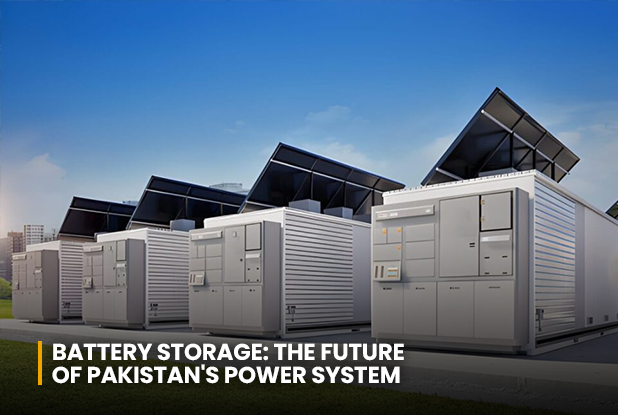
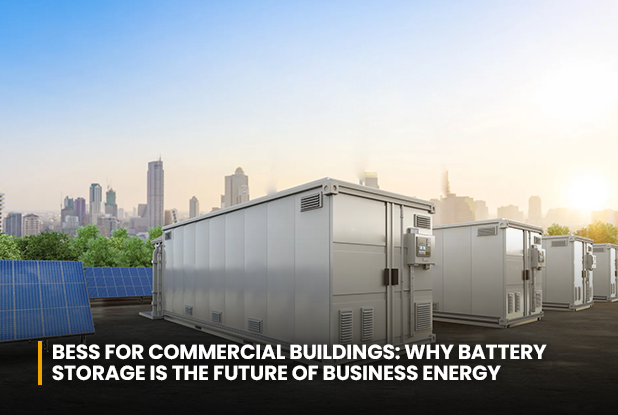
Battery Energy Storage Systems, also known as BESS, store electricity for later use. When solar panels generate extra electricity during the day, the battery stores that energy. The stored power can then be used during load shedding, evening hours, or grid failures.
For SMEs, battery storage makes solar more reliable and practical.
A solar-plus-battery system can keep critical business equipment running when grid electricity is unavailable. This helps businesses continue serving customers, protecting inventory, and maintaining productivity.
Battery storage also reduces dependence on diesel generators, which require fuel, maintenance, and create noise and pollution.
Benefits of Solar Resilience for SMEs
1. Business Continuity During Outages
The biggest benefit of solar resilience is uninterrupted business operation. With the right solar and battery setup, SMEs can keep essential systems running during power cuts.
This helps businesses avoid lost sales, delayed work, and customer inconvenience.
2. Lower Electricity Bills
Solar energy helps SMEs reduce monthly electricity costs by generating power during the day. Instead of buying all electricity from the grid, businesses can use their own solar power.
Over time, this can create significant savings and improve cash flow.
3. Reduced Generator Fuel Costs
Many SMEs use diesel or petrol generators during outages. While generators provide backup, they also increase fuel costs and require regular maintenance.
Solar with battery storage can reduce generator usage and help businesses save money on fuel.
4. Better Customer Experience
Customers expect businesses to operate smoothly. Power outages can affect lighting, billing systems, air conditioning, internet service, and overall customer experience.
Solar resilience helps businesses maintain service quality even during grid interruptions.
5. Protection for Critical Equipment
Sudden power cuts and voltage issues can affect sensitive equipment such as computers, medical devices, refrigerators, security systems, and machinery.
A properly designed solar and battery system can provide more stable power for selected critical loads.
6. Cleaner and More Sustainable Energy
Solar power is clean, quiet, and renewable. By using solar energy, SMEs can reduce their carbon footprint and show commitment to sustainability.
This can improve business reputation and support long-term environmental responsibility.
Best SME Businesses for Solar Resilience
Solar resilience is useful for many types of small and medium-sized businesses in Pakistan.
Retail stores can keep lights, billing systems, and security cameras running. Restaurants can protect refrigeration, kitchen operations, and customer service. Clinics can maintain essential medical equipment and patient care.
Offices can continue using computers, internet systems, and communication tools. Schools and academies can maintain learning activities. Warehouses can keep security systems and lighting operational.
Small manufacturing units and workshops can use solar resilience to support selected machinery and reduce production delays.
Any SME that depends on electricity for daily operations can benefit from a solar resilience solution.
On-Grid vs Hybrid Solar for Outage Protection
Many businesses install on-grid solar systems to reduce electricity bills. These systems work well when the grid is available, but they usually shut down during power outages.
For SMEs that need backup power, a hybrid solar system is often a better option. Hybrid systems combine solar panels, grid electricity, and battery storage.
This allows businesses to use solar energy during normal operations and stored battery power during outages.
The right choice depends on the business’s electricity usage, backup needs, working hours, and budget.
How to Plan a Solar Resilience System
Before installing a solar resilience system, SMEs should identify their critical loads. These are the appliances and systems that must keep running during an outage.
Examples include lights, fans, computers, internet routers, refrigerators, POS systems, security cameras, and essential machinery.
Once critical loads are identified, the system can be designed with the right solar capacity and battery size.
A professional solar company should review the business’s electricity bills, load profile, available roof space, backup duration requirement, and future expansion plans.
Proper planning ensures better performance, safety, and long-term value.
Why Professional Installation Matters
Solar resilience systems must be installed correctly to work safely and reliably. Poor installation can lead to low performance, wiring issues, battery problems, inverter faults, and safety risks.
For SMEs, energy systems should be simple to use, easy to monitor, and designed for real business needs.
Professional installation ensures that the system is properly sized, safely connected, and supported after installation.
This helps businesses get better results from their solar investment.
Beacon Energy for SME Solar Resilience
Beacon Energy provides smart solar and energy storage solutions for businesses in Pakistan. For SMEs, Beacon Energy can help design systems that reduce electricity bills, improve backup power, and support business continuity during outages.
Whether you run a shop, office, clinic, restaurant, warehouse, school, or small industrial unit, Beacon Energy can help you choose the right solar solution for your energy needs.
With the right solar and battery system, SMEs can reduce downtime, lower energy costs, and build a more resilient business.