Pakistan’s power system is changing rapidly. Rising electricity costs, increasing solar adoption, power outages, grid instability, and growing energy demand are pushing homes, businesses, and industries toward smarter energy solutions.
Solar energy has already become one of the most popular choices for reducing electricity bills. However, solar power alone cannot solve every energy challenge. Solar panels generate electricity during the day, but energy demand often continues after sunset or during grid outages.
This is where battery storage becomes essential.
Battery storage, also known as Battery Energy Storage System or BESS, stores electricity and makes it available when needed. It allows users to store solar power, reduce grid dependency, manage peak-hour electricity usage, and improve backup reliability.
For Pakistan, battery storage is not just an energy trend. It is becoming an important part of the future power system.
For reliable solar and battery storage solutions, Beacon Energy offers smart energy systems designed for residential, commercial, and industrial users.
What Is Battery Storage?
Battery storage is a system that stores electrical energy for later use. In a solar energy setup, batteries can store excess electricity generated by solar panels during the day. This stored electricity can then be used at night, during peak hours, or when the grid is unavailable.
A modern battery storage system usually includes battery modules, an inverter, battery management system, safety equipment, monitoring software, and energy control systems.
Together, these components help users manage electricity more efficiently and improve energy independence.
Why Pakistan Needs Battery Storage
Pakistan’s electricity system faces several challenges. Many users experience high electricity bills, load shedding, voltage fluctuations, transmission losses, and unstable grid supply. At the same time, electricity demand continues to increase across homes, businesses, industries, hospitals, schools, and commercial buildings.
Battery storage can help address these challenges by storing energy when it is available and supplying it when it is needed most.
For homes, battery storage can provide backup during power outages. For businesses, it can reduce peak-hour electricity usage and improve operational reliability. For industries, it can support critical loads and reduce production losses caused by power interruptions.
This makes battery storage a practical solution for Pakistan’s energy future.
Battery Storage and Solar Energy
Solar energy and battery storage work best together. During the day, solar panels generate electricity from sunlight. If the solar system produces more energy than the user needs at that time, the extra power can be stored in batteries.
Later, the stored energy can be used when solar production is low or when grid electricity is expensive.
This combination increases solar self-consumption and improves the value of a solar system. Instead of depending only on net metering or exporting extra electricity to the grid, users can store their own clean energy and use it when needed.
For Pakistan, where solar adoption is growing quickly, battery storage is the next major step in clean energy development.
How Battery Storage Supports the Power Grid
Battery storage is useful not only for individual users but also for the national power system. A large number of battery storage systems can help reduce pressure on the grid during peak demand hours.
When demand is high, stored energy can be used to reduce grid load. When solar production is high during the day, batteries can store extra energy instead of wasting it.
This helps create a more balanced and stable power system.
Battery storage can also support renewable energy integration. Since solar and wind energy depend on weather conditions, battery systems can help manage supply and demand more effectively.
As Pakistan moves toward more renewable energy, battery storage will become increasingly important for grid stability.
Benefits of Battery Storage in Pakistan
1. Backup Power During Outages
One of the biggest benefits of battery storage is backup power. In Pakistan, many homes and businesses still face power interruptions. Battery storage can provide instant power when the grid goes down.
This is especially important for hospitals, offices, shops, schools, industries, cold storage units, and homes that need continuous electricity.
2. Reduced Electricity Costs
Battery storage can help reduce electricity costs by storing solar energy or lower-cost electricity and using it during expensive peak hours.
For commercial and industrial users, this can make a major difference in monthly bills. Businesses can manage energy usage more efficiently and reduce dependence on high-cost grid electricity.
3. Better Use of Solar Energy
Without batteries, extra solar energy may not always be used efficiently. Battery storage allows users to store excess solar power and use it later.
This improves solar self-consumption and increases the return on investment from a solar system.
4. Energy Independence
Battery storage gives users more control over their electricity. Instead of depending completely on the grid, homes and businesses can generate, store, and use their own power.
This improves energy independence and protects users from rising electricity prices.
5. Lower Generator Dependency
Many homes and businesses in Pakistan use generators during power outages. Generators require fuel, regular maintenance, and create noise and emissions.
Battery storage provides a cleaner and quieter backup solution. It can also work alongside generators to reduce fuel usage and improve backup efficiency.
Battery Storage for Homes
For residential users, battery storage provides comfort, backup, and savings. A solar-plus-battery system can power essential appliances during outages, such as lights, fans, refrigerators, internet devices, and security systems.
Homeowners can also use stored solar energy in the evening, reducing grid electricity consumption after sunset.
As electricity prices continue to rise, residential battery storage is becoming a smart investment for households in Pakistan.
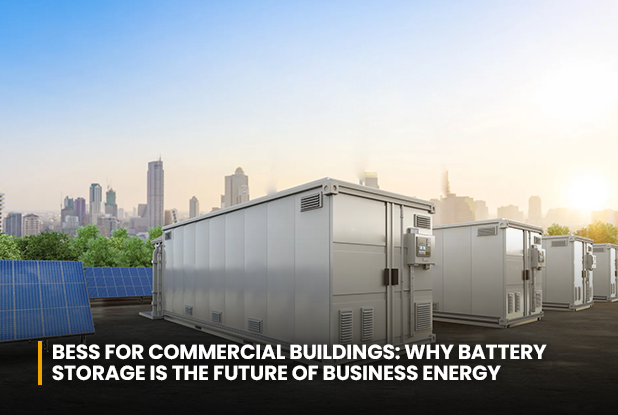
Battery Storage for Commercial Buildings
Commercial buildings such as offices, malls, hotels, hospitals, schools, supermarkets, and plazas require reliable electricity throughout the day.
Battery storage can help these buildings reduce electricity costs, support backup power, and manage peak demand.
For businesses, power interruptions can lead to lost productivity, customer inconvenience, and operational delays. BESS helps maintain smooth business operations by providing reliable stored energy when needed.
Beacon Energy provides smart solar and storage solutions for commercial energy needs in Pakistan.
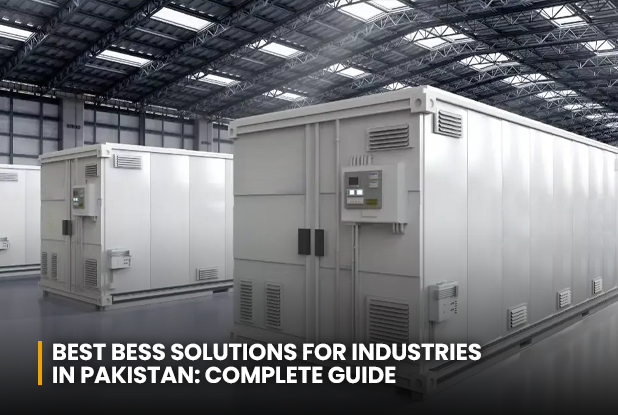
Battery Storage for Industries
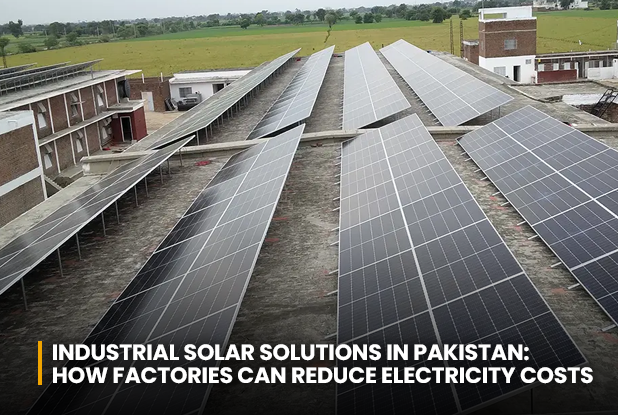
Industries are among the biggest energy consumers in Pakistan. Factories, textile mills, food processing units, packaging plants, steel units, and cold storage facilities require continuous and stable electricity.
Power outages can stop production, damage equipment, and increase operational losses.
Battery storage helps industries maintain critical operations during outages, reduce peak-hour costs, and improve solar energy usage. When combined with industrial solar systems, BESS can significantly improve energy efficiency and long-term savings.
For industrial businesses, battery storage is not only a backup option. It is a strategic energy management solution.
Battery Storage vs Traditional Backup Systems
Traditional backup systems, such as diesel generators and UPS systems, have been used in Pakistan for many years. However, these systems have limitations.
Diesel generators require fuel, regular servicing, and create noise and pollution. Traditional UPS systems may not be suitable for larger energy requirements or long-term energy management.
Modern battery storage systems are smarter, cleaner, and more efficient. They can be connected with solar systems, monitored through software, and designed according to the user’s energy needs.
This makes BESS a better long-term solution for modern homes, businesses, and industries.
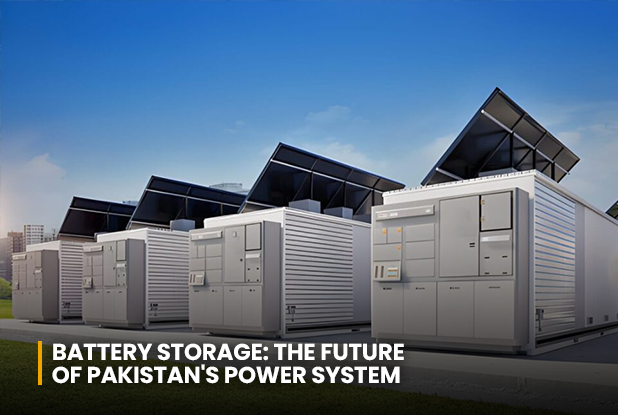
Why Battery Storage Is the Future of Pakistan’s Power System
Pakistan’s energy future will depend on smarter, cleaner, and more reliable power solutions. As solar energy continues to grow, battery storage will become necessary for storing excess solar power and using it efficiently.
Battery storage can help reduce grid pressure, improve backup reliability, lower electricity costs, and support renewable energy adoption.
For users, it offers control and independence. For the national power system, it supports stability and flexibility.
This is why battery storage is expected to play a major role in Pakistan’s future energy landscape.
Choosing the Right Battery Storage Solution
Choosing the right battery storage system requires proper planning. The system size should be based on electricity usage, solar capacity, backup requirements, peak load, and budget.
Users should also consider battery quality, safety features, warranty, system monitoring, installation standards, and after-sales support.
A professional energy company can help design the right system for long-term performance and savings.
Beacon Energy for Battery Storage Solutions in Pakistan
Beacon Energy offers smart solar and battery storage solutions for homes, businesses, and industries in Pakistan. With the right energy system, users can reduce electricity costs, improve backup power, and move toward a cleaner energy future.
Whether you need battery storage for a home, commercial building, or industrial facility, Beacon Energy can help you choose a solution that matches your energy needs.